
Worried about getting enough protein as a vegan? You’re not alone. This concern tops the list for anyone considering plant-based eating, but here’s the truth: getting adequate protein on a vegan diet is absolutely achievable and easier than you might think.
Why Protein Matters for Vegans
Protein serves as your body’s building blocks, supporting muscle growth, immune function, and energy production. The good news? Plants provide all essential amino acids your body needs when you eat a varied diet.
Daily protein needs vary by person: • Sedentary adults: 0.8g per kg of body weight • Active individuals: 1.2-1.6g per kg • Athletes: 1.6-2.2g per kg
Top Plant-Based Protein Powerhouses
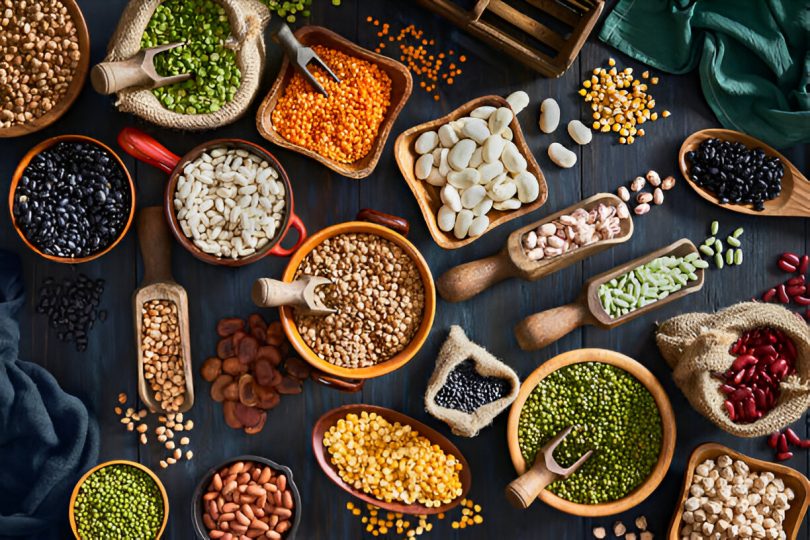
Legumes and Beans
These affordable protein champions should become your best friends:
• Lentils: 18g protein per cooked cup • Chickpeas: 15g protein per cooked cup • Black beans: 15g protein per cooked cup • Kidney beans: 13g protein per cooked cup
Pro tip: Batch cook legumes on weekends and freeze portions for quick weekday meals.
Nuts and Seeds
Perfect for snacking and meal enhancement:
• Hemp seeds: 10g protein per 3 tablespoons • Pumpkin seeds: 9g protein per ounce • Almonds: 6g protein per ounce • Chia seeds: 5g protein per 2 tablespoons
Whole Grains
Don’t overlook these protein contributors:
• Quinoa: 8g protein per cooked cup • Oats: 6g protein per cooked cup • Brown rice: 5g protein per cooked cup • Whole wheat bread: 4g protein per slice
Plant-Based Meat Alternatives
Modern options make transitioning easier:
• Tofu: 20g protein per cup • Tempeh: 31g protein per cup • Seitan: 25g protein per 3.5 oz • Plant-based burgers: 14-20g protein per patty
Smart Protein Combining Strategies
While you don’t need to combine proteins at every meal, these pairings create complete amino acid profiles:
• Rice + beans = Classic complete protein combo • Hummus + whole grain pita = Mediterranean perfection • Peanut butter + whole grain bread = Childhood favorite with benefits • Quinoa + vegetables = One-bowl nutrition
Sample High-Protein Vegan Day
Breakfast (25g protein): • Overnight oats with chia seeds, almond butter, and hemp hearts • Side of plant-based yogurt
Lunch (30g protein): • Lentil and quinoa Buddha bowl • Tahini dressing • Handful of pumpkin seeds
Dinner (35g protein): • Stir-fried tofu with vegetables • Brown rice • Side of edamame
Snacks (15g protein): • Homemade trail mix • Protein smoothie with plant milk
Daily total: 105g protein
Common Protein Myths Debunked
Myth: “Plant proteins are incomplete” Truth: Many plants contain all essential amino acids, and eating variety throughout the day ensures completeness.
Myth: “You need massive portions for adequate protein” Truth: Strategic food choices make protein goals easily achievable without overeating.
Myth: “Vegan athletes can’t build muscle” Truth: Numerous elite athletes thrive on plant-based diets with proper planning.
Maximizing Protein Absorption
Your body absorbs plant proteins best when you:
• Soak and sprout legumes and grains when possible • Combine with vitamin C sources (citrus, bell peppers, tomatoes) • Spread intake throughout the day rather than loading one meal • Stay hydrated to support digestion and nutrient transport
Easy Protein-Boosting Hacks
Transform ordinary meals into protein powerhouses:
• Add hemp seeds to smoothies, salads, and yogurt • Use nutritional yeast in sauces and on popcorn (2 tablespoons = 8g protein) • Choose protein-rich plant milks like soy or pea milk • Snack on roasted chickpeas instead of chips • Make protein balls with dates, nuts, and protein powder
Planning Your Protein Success
Calculate your daily needs using a vegan protein calculator to take the guesswork out of meal planning. Track your intake for a week to identify patterns and gaps.
Consider using a comprehensive vegan meal planner to ensure balanced nutrition across all meals. This approach helps you discover new protein sources while maintaining variety.
Special Considerations for Active Vegans
If you’re athletic or highly active, your protein needs increase significantly. Vegan nutrition for athletes requires strategic timing and higher quantities, but remains entirely achievable with proper planning.
Post-workout protein becomes crucial for recovery. Aim for 20-25g within 30 minutes of intense exercise using:
• Protein smoothies with plant milk, banana, and protein powder • Chocolate soy milk for quick convenience • Tofu scramble with vegetables • Protein-packed energy bars
Budget-Friendly Protein Solutions
Eating protein-rich vegan foods doesn’t break the bank:
• Buy dried legumes in bulk and cook large batches • Purchase seasonal nuts and seeds when prices drop • Make your own plant milk instead of buying expensive varieties • Grow sprouts at home for fresh, cheap protein additions • Use tofu and tempeh as affordable meat substitutes
Troubleshooting Common Challenges
Challenge: “I feel hungry all the time” Solution: Increase fiber and healthy fats alongside protein for better satiety.
Challenge: “My energy crashes mid-afternoon” Solution: Balance protein with complex carbs at lunch and add a protein-rich snack.
Challenge: “I’m getting bored with the same foods” Solution: Explore different cuisines and preparation methods for familiar proteins.
Getting enough protein on a vegan diet isn’t just possible—it’s delicious, varied, and nutritionally superior when done right. Start by incorporating one new protein source this week, then gradually expand your repertoire.
Your plant-powered protein journey begins with a single meal. Choose one high-protein recipe and make it today—your body will thank you for the nourishment, and you’ll wonder why you ever worried about vegan protein in the first place.
For more comprehensive nutritional planning, explore our vegan macro calculator to balance proteins with carbs and fats for optimal health.